Complete solutions from Mcwinn Brantford
Complete solutions from Mcwinn Brantford
Blog Article
The Complete Guide for Air Filter Care: Boost Your Home's Air Freshness
Air filters contribute significantly in maintaining indoor air quality by capturing harmful particles. Routine maintenance and filter updates can greatly impact health and HVAC efficiency. However, many homeowners neglect the importance of consistent care. Comprehending when and how to clean different filter types is vital. This guide provides practical insights, common pitfalls to avoid, and additional strategies for boosting air quality. What steps can be taken to guarantee lasting improvements in the home environment?
Why Swap Your Air Filters? The Medical Advantages Broken Down
Frequent maintenance of air filters is indispensable for sustaining a clean indoor atmosphere. Accumulation of allergens, pollen, and dust in air filters can produce poor air quality, which might intensify allergies and respiratory issues. By ensuring filters remain clean, households can markedly reduce airborne contaminants, fostering a more secure space for all occupants.
Moreover, clean air filters improve the capability of HVAC systems, contributing to better circulation and temperature control. This capability amounts to reduced energy spending, as the system does not have to work as hard to maintain desired conditions. Additionally, a well-maintained air filter can prolong the lifespan of HVAC equipment, reducing the need for costly repairs.
When should you clean or replace your air filter elements?
How often should air filters be cleaned or replaced? The frequency depends on multiple elements, including the filter type, household conditions, and usage habits. Generally, disposable filters should be replaced every one to three months, while washable filters may require cleaning every month or two. Houses with animals, smoke exposure, or high pollen exposure may require more regular replacements due to higher allergens and dust.
Conducting a simple inspection can also serve as a guideline. If the filter shows signs of being dirty or filled with debris, it is necessary for a replacement or maintenance. HVAC systems may have specific recommendations based on their make, so consulting the manufacturer’s guidelines is recommended.
Consistent upkeep not only lengthens the life of the air filtration system but also ensures superior air quality. Checking air filter condition helps sustain a healthier indoor environment, ultimately improving the well-being of all household members.
Premium Equipment for Purifying Air Filters
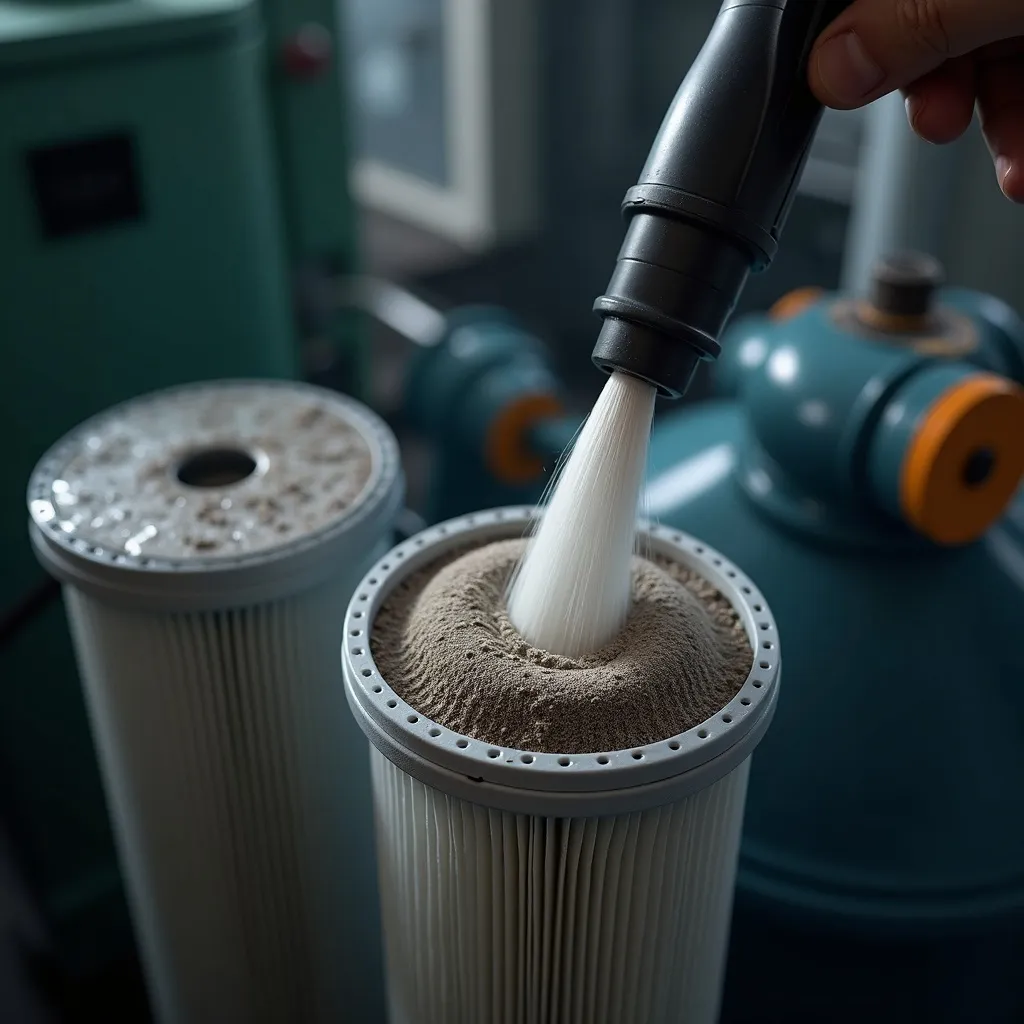
Air filter maintenance done efficiently requires the correct tools to ensure optimal output and longevity. Important tools include a vacuum cleaner furnished with a brush attachment, which can effectively dislodge dust and debris from filters. A soft brush or microfiber cloth can also be beneficial for gently scrubbing surfaces without creating damage.
Also, a spray nozzle hose helps with rinsing washable filters, ensuring all contaminants are removed. For filters requiring intensive cleaning, a discussion mild detergent solution may be used, so possessing a bucket for mixing is advisable. Finally, protective gloves can protect hands from grime and harmful substances.
For specialized air filters, such as HEPA or activated carbon, consulting the producer's instructions is crucial. Overall, obtaining the right tools not only simplifies the cleaning process but also enhances the general indoor air quality within the home.
Step-by-Step Directions on How to Maintain Different Kinds of Air Filters
A thorough approach to maintaining air filters ensures peak performance and prolongs their durability. The initial stage involves determining the kind of air filter, whether it be HEPA, washable, or disposable. For HEPA filters, gentle vacuuming is recommended to eliminate surface dust, followed by gentle cleaning with a damp cloth. Washable filters require washing under lukewarm water to eliminate debris, ensuring they dry completely before reinstallation. Disposable filters, however, should be replaced rather than cleaned; inspecting them for wear is crucial.
Next, examining the manufacturer's guidelines provides detailed instructions tailored to the filter type. Routine cleaning schedules, preferably every one to three months, assist in maintaining efficiency. Finally, during the maintenance process, people should wear protective gear, such as gloves and masks, to prevent breathing of dust and allergens. Implementing these steps will greatly improve indoor air quality and ensure ideal air flow throughout the home.
Steer Clear of These Typical Air Filter Care Errors
Cleaning air filters can result in unexpected challenges if common mistakes are not prevented. Disregarding the particular needs of different filter types and excessive use of cleaning products can diminish effectiveness and cause damage. Recognizing these pitfalls is essential for maintaining optimal air conditions and extending filter lifespan.
Neglecting Filter Variety
Many homeowners overlook the significance of filter variety when cleaning air filters, resulting in poor upkeep and potential damage. Different air filters, such as HEPA, pleated, and electrostatic, each have unique cleaning requirements. For instance, HEPA filters are designed to trap microscopic particles and should typically be replaced rather than washed, as washing can compromise their efficacy. Conversely, washable filters can be maintained multiple times, but using wrong techniques may decrease their durability. Disregarding the specific guidelines linked to each filter type can cause substandard indoor air and elevated energy costs. Homeowners should familiarize themselves with their filter specifications to guarantee proper care and optimal function in preserving indoor air quality.
Overusing Cleaning Products
Overuse of cleaning agents can inadvertently damage air filters rather than enhance their performance. Many people mistakenly think that using additional cleaning agents will yield improved outcomes. However, heavy use can lead to residue buildup, which obstructs the filter and reduces airflow. This not only compromises the filter's effectiveness but can also introduce toxic substances into indoor air. Additionally, harsh cleaning methods may damage the filter material, shortening its lifespan. It is essential to adhere to manufacturer guidelines regarding how often you should clean and product recommendations. Selecting gentle, suitable products ensures that air filters maintain their effectiveness without adverse effects. Practicing restraint in cleaning product usage safeguards both air quality and the integrity of the filters.
How to Keep Your Air Filters for Ongoing Performance
Caring for air filters is essential for maintaining optimal performance over time. Creating a consistent maintenance routine and sticking to proper filter replacement guidelines can substantially enhance air quality and system efficiency. By emphasizing these habits, individuals can extend the life of their air filters and improve overall system function.
Regular Cleaning Schedule
A consistent cleaning schedule is crucial for maintaining peak performance of air filters. Homeowners should set up a routine based on the category of filter and surrounding conditions. For instance, HEPA filters typically require less frequent cleaning than standard disposable filters. It is advisable to check filters every month, especially during periods with increased demand, such as summer and winter. If dirt or debris is visible, cleaning should be prioritized. Regular maintenance not only boosts air quality but also prolongs the life of the filter. Utilizing a calendar or reminder system can help individuals stay on track. By adhering to a regular schedule, homeowners can preserve ideal airflow and efficiency, ensuring a healthier living environment for all.
Right Filter Replacement
Servicing air filters periodically is essential for maintaining ideal performance and air quality. Homeowners should develop a replacement schedule based on filter type and usage. For standard fiberglass filters, changing them every one to three months is advisable, while high-efficiency particulate air (HEPA) filters may last six months or longer. Additionally, factors such as pet ownership, seasonal allergies, and environmental conditions can necessitate more frequent replacements. It is necessary to identify the correct size and type of filter for the specific HVAC system to guarantee excellent airflow and filtration efficiency. Regularly checking the filters for dirt and debris can provide a visual cue for timely replacement, ultimately strengthening indoor air quality and prolonging the life of the HVAC system.
Easy Strategies to Boost Home Air Freshness Beyond Filters
While air filters function as an essential component in enhancing indoor air quality, numerous additional strategies can additionally help to a cleaner living space. One effective method is to enhance ventilation by permitting fresh air entry through windows and doors when weather permits, allowing fresh air to circulate. Utilizing exhaust fans in kitchens and bathrooms can also help eliminate indoor impurities.
Frequently cleaning surfaces and limiting clutter reduces dust accumulation, supporting cleaner air. Incorporating indoor plants not only beautifies a space but also elevates air quality by taking in toxins and releasing oxygen. Picking low-VOC (volatile organic compounds) paints and furnishings can reduce harmful emissions.
Maintaining optimal moisture levels between 30-50% prevents mold growth and dust mites. Additionally, avoiding smoking indoors and applying safe cleaning solutions can greatly improve indoor air quality. By implementing these approaches, homeowners can establish a safer and more welcoming home space.
Frequently Requested Inquiries Often Raised
Is it feasible to wash disposable air filters and reuse them?
No, temporary air filters are not fashioned for soaking and reusing. Wiping these filters can impair their structure and decrease effectiveness, producing poor air quality. It's crucial to update them routinely for best performance.
What Interval Is Ideal for Examining My Air Filter's Condition?
Checking air filters on a monthly basis is recommended. Routine inspections help detect dirt accumulation, allowing timely replacement or cleaning, ultimately ensuring optimal air quality and HVAC system efficiency for a cleaner living space.
What Occurs if I Fail to Replace My Air Filters?
Failing to clean air filters can lead to reduced airflow, decreased energy efficiency, and increased dust and allergens in the home. Over time, this may trigger respiratory issues and stress to HVAC systems, leading to costly repairs.
Can Air Purifiers Remove the Need for Filter Cleaning?
Air purifiers do not negate the need for filter cleaning. While they lower contaminants, filters still build up dust and debris, necessitating routine maintenance to guarantee peak performance and air quality in the home.
Can you find green alternatives for air filter products?
Yes, environmentally conscious alternatives for air filters exist. These filters often utilize sustainable materials, such as reclaimed materials or natural substances, and can enhance air quality while decreasing environmental impact, making them a responsible choice for consumers.
Report this page